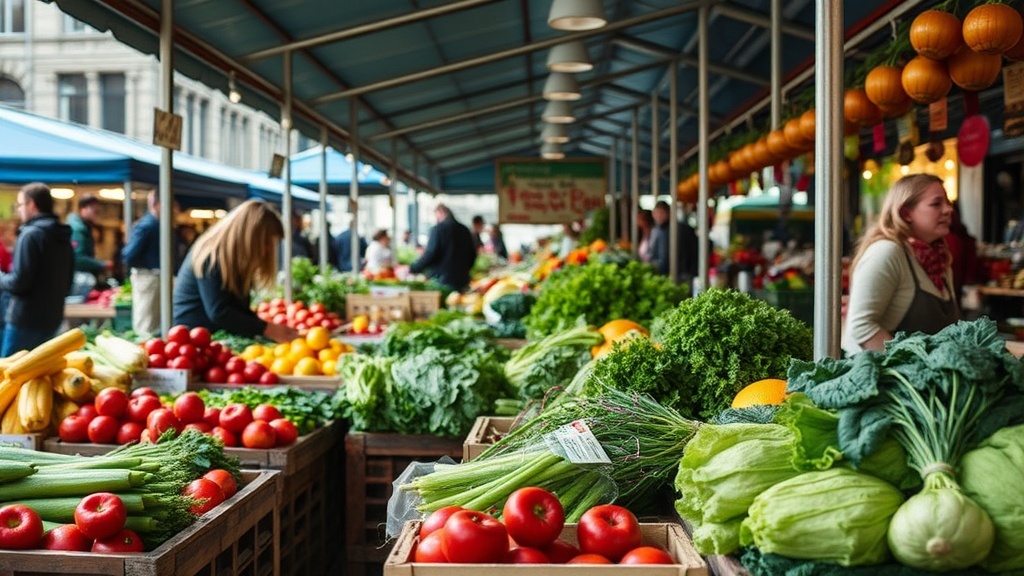
Navigating Montreal's Seasonal Farmers Markets

Imagine you're standing on a corner in the Plateau or near Jean-Talón, holding a heavy bag of organic strawberries, a loaf of sourdough, and a bunch of fresh basil. You've just spent an hour wandering through the stalls, and while the quality is better than any grocery store, you realize you forgot your reusable bags and your cash is a bit low. This post breaks down how to time your visits, what to buy when, and how to handle the logistics of Montreal's seasonal markets so you don't end up with wilted greens or empty hands.
Montreal's food scene changes entirely with the seasons. In July, you're hunting for corn and peaches; by October, it's all about squash and apples. Knowing which market to hit and when is the difference between getting the best produce and fighting a crowd for bruised tomatoes.
When is the Best Time to Visit Montreal Markets?
The best time to visit is early in the morning on a weekday to avoid crowds and secure the most perishable items. Most major markets, like the Marché Atwater or Jean-Talon, are most vibrant between 8:00 AM and 10:00 AM. If you wait until 1:00 PM on a Saturday, you might find the selection significantly depleted—especially for high-demand items like local berries.
If you're a working professional, you'll likely be hitting these markets on Saturdays or Sundays. It's a different vibe. It's louder, more social, and much more crowded. It's great for the atmosphere, but if you're looking for a quiet, efficient shopping trip, go on a Tuesday morning. You'll have more room to breathe (and more space to park your car).
Here is a general seasonal availability guide for Quebec produce:
- Late Spring (May-June): Asparagus, radishes, and early greens.
- Summer (July-August): Strawberries, blueberries, corn, tomatoes, and stone fruits.
- Autumn (September-October): Apples, squash, pumpkins, and hearty root vegetables.
- Winter (November-April): Mostly imported goods, though some local preserves and hardy storage crops like potatoes remain.
Which Montreal Markets Should You Visit?
Your choice depends entirely on whether you want a specialized vendor experience or a massive, one-stop-shop environment. Montreal has several distinct types of markets, ranging from the massive, permanent structures to smaller, neighborhood-specific pop-ups.
The big players are the heavy hitters. Marché Jean-Talon in Little Italy is arguably the most iconic. It’s huge, sprawling, and offers everything from artisanal cheeses to live poultry. It's a sensory overload in the best way possible. Marché Atwater, located near the Lachine Canal, has a slightly different feel—it's a bit more "boutique" and is a favorite for high-end specialty goods and ready-to-eat items.
Then you have the smaller, neighborhood markets. These are often more temporary or weekly events. You might find a small farmer's market in the Westmount area or a specialized organic market in the Plateau. These are perfect for finding niche items like specific honey varieties or small-batch jams.
| Market Name | Best For... | Vibe |
|---|---|---|
| Marché Jean-Talon | Variety and Scale | High energy, massive crowds |
| Marché Atwater | Gourmet & Specialty | Polished, upscale, scenic |
| Lachine Market | Local Produce | Community-focused, relaxed |
| Neighborhood Pop-ups | Niche/Artisanal | Quiet, specialized |
If you find yourself looking for something more than just food—perhaps a unique piece of local history or a vintage kitchen tool—you might enjoy searching for vintage treasures across Montreal. Many markets have a similar spirit of discovery, even if they aren't strictly food-focused.
How Much Does Local Produce Cost?
Local produce prices vary based on the seasonality and the specific vendor, but you should expect to pay a premium compared to big-box retailers. While a pint of strawberries might be cheaper at a discount supermarket, the quality and flavor of a local Quebec berry are usually worth the extra dollar or two. For instance, a basket of local raspberries might cost $5.00 to $7.00, whereas a generic brand might be slightly lower but lacks that specific local profile.
Don't be afraid to ask the vendors about pricing—most are quite transparent. If you're buying in bulk, many farmers will offer a better rate. It's also worth noting that "organic" labels can vary. Some vendors follow strict organic standards, while others are simply "natural" or "non-pesticide" use. Always check the signage or ask directly.
One thing to watch out for is the "premium" markup on prepared foods. A fresh-pressed juice at the market might cost $9.00, while the same juice at a grocery store is $3.00. You're paying for the convenience and the local sourcing. It's a trade-off.
Pro-Tips for a Better Market Experience
Bring Cash: Even though many vendors now take Interac or credit, there are always those small, amazing stalls that only take cash. Don't be the person stuck at the front of the line because you're trying to find your wallet. It's a small detail, but it makes a huge difference in the flow of your morning.
Bring Your Own Bags: This is a big one. Montrealers are environmentally conscious, and many vendors won't provide bags, or they'll charge a small fee for paper ones. Keep a few sturdy, reusable totes in your car or your backpack. It's better for the planet and your wallet.
Check the Weather: If you're planning to visit an outdoor market, check the forecast. A sudden summer thunderstorm can send everyone running for cover, and you'll miss out on the best-looking produce. If you're looking for a more sheltered experience, stick to the permanent market buildings like Jean-Talon or Atwater.
Don't Rush the Process: The whole point of a market is the interaction. Talk to the people growing the food. Ask them how long the tomatoes have been on the vine or how to best cook that specific type of squash. Most of the time, they are happy to share their expertise. It turns a chore into an actual experience.
The seasonality of Quebec is something to embrace. When the weather turns cold and the outdoor markets wind down, you'll find that the indoor markets and specialized shops take over. It's a cycle that defines the city's rhythm. Whether you're hunting for the perfect peach in August or a hearty root vegetable in October, the effort to get out there is always rewarded by the taste of something real.
Steps
- 1
Check the seasonal calendar
- 2
Arrive early for the best selection
- 3
Bring reusable bags and small change
- 4
Ask vendors about their specific farm location